Every July, someone walks into one of our showrooms, looks at a tub full of steaming water, and asks the question with a slightly apologetic laugh. “Be honest with me. Am I actually going to use this in the summer, or is this a six-month toy?”
It is a fair question and it deserves a real answer instead of a sales pitch. Most articles about year-round hot tub use are written for Minnesota. They spend two thousand words on freeze protection and cold snaps and how lovely it is to soak while snow falls on your shoulders. None of that describes a July afternoon in St. George, where the average high sits around 102°F and the overnight low barely drops to the mid-70s. Reading advice written for a Wisconsin winter does not tell you whether your spa is going to sit under its cover from June through Labor Day.
So here is the version written for where you actually live. Yes, you can use a hot tub year-round in Southern Utah. The winter, which everyone worries about, is the easy part. The summer is the part that takes some thought, and the honest answer changes depending on whether you are in Hurricane, Cedar City or Vernal. Here is all of it.
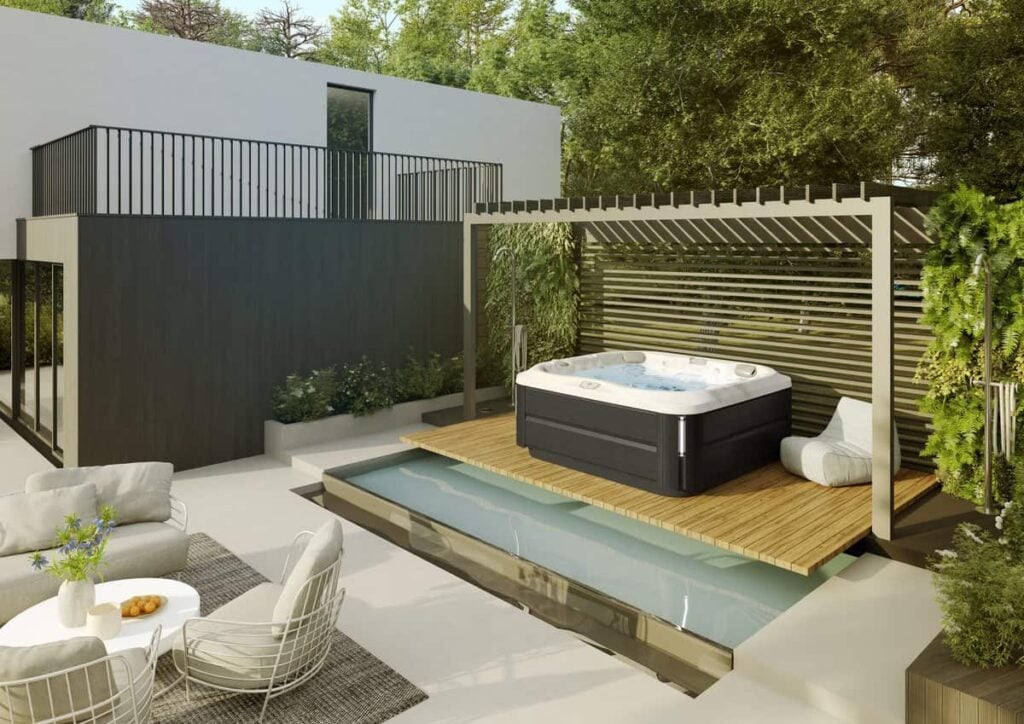
The Short Answer, and Why It Catches People Off Guard
Year-round use is entirely realistic here. Owners across Washington County soak in January and in July. What changes is not whether you use it but how you use it, and the adjustment runs the opposite direction from what most people expect.
In a cold climate, the seasonal challenge is keeping water hot and equipment safe when it is 10°F outside. In the low desert, your spa’s heater has a very easy life for most of the year. The challenge is the other direction entirely. From roughly mid-June through early September, the problem is getting the water cool enough to be pleasant, in a place where the air itself refuses to cool down much overnight.
The second thing that surprises people is how much the answer depends on your address. Southern Utah is not one climate. The valley floor at St. George sits near 2,800 feet. Cedar City sits above 5,800 feet. Vernal is in a different corner of the state entirely. Those are meaningfully different soaking years, and we will get to each of them.
Winter Here Is the Easy Part
Let’s dispense with the season everyone asks about first, because it takes about a paragraph.
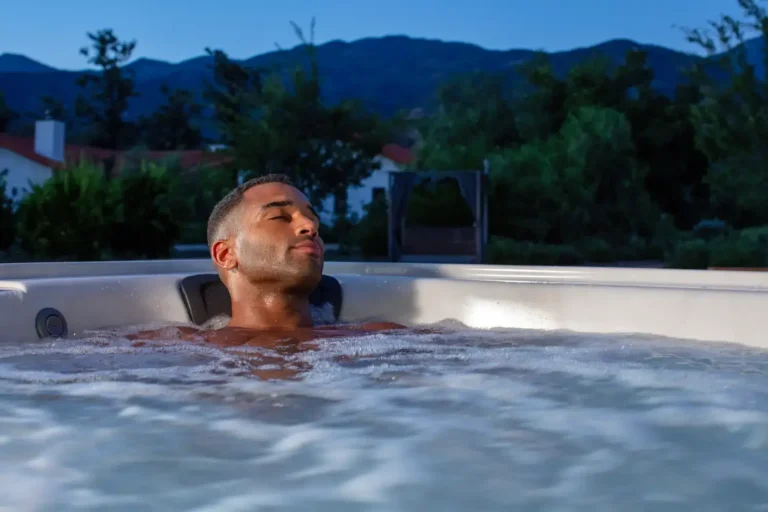
Winter in the St. George area is close to ideal hot tub weather. January highs average in the low to mid 50s and overnight lows land around the high 20s to low 30s. Snow is rare on the valley floor, averaging only a couple of inches a year, and what does fall usually melts the same day. You get crisp, dry, clear evenings with a spa at 102°F, which is exactly the experience people imagine when they picture owning one.
A modern spa handles those conditions without any real intervention from you. Quality insulation, a well-fitted cover, and the freeze protection built into the control system do the work. Your heater runs more than it does in October, but not dramatically so. This is the season when the tub earns its keep.
The main winter task is a cover in good condition. A cover that has absorbed water and gone heavy, or one that no longer seals along the edges, will drive your operating cost up in any climate. Press down on the corners occasionally. If the foam feels waterlogged or the seal has gaps, replace it.
What Changes Above 5,000 Feet
If you are in Cedar City, this section is for you, and so is anyone in Vernal or the higher communities around Pine Valley and Veyo.
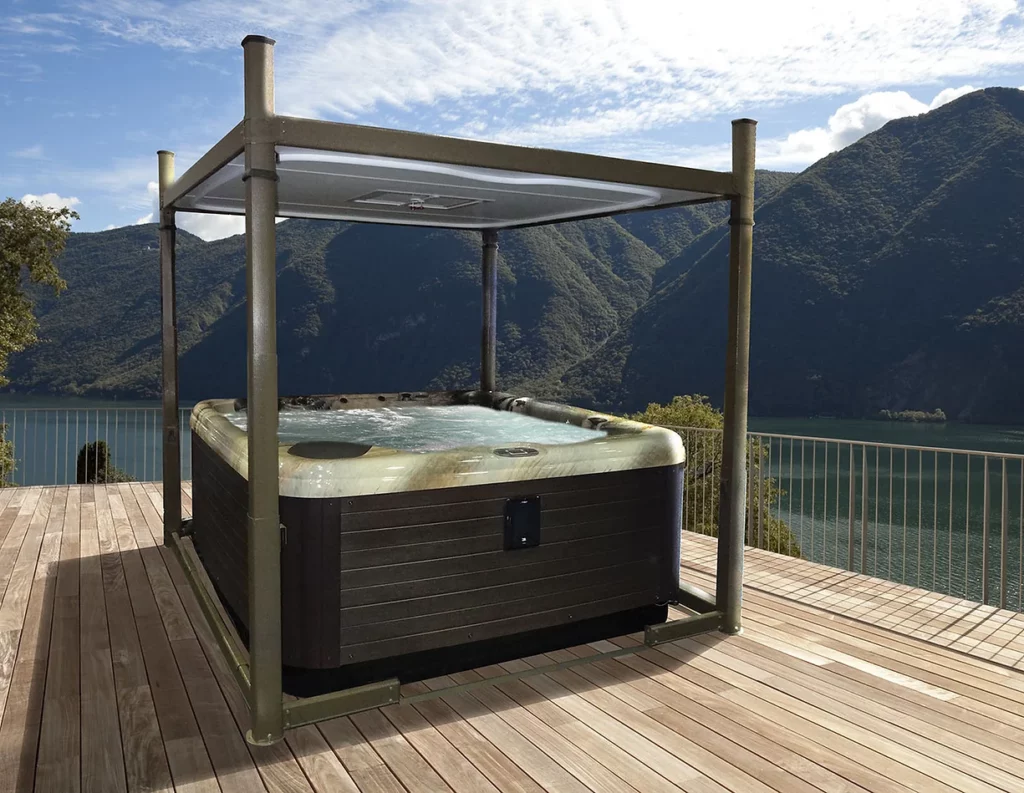
Cedar City sits at roughly 5,800 feet and has a genuine winter. Snow accumulates, overnight temperatures drop well below freezing for stretches, and the conditions look much more like the cold-climate advice you have been reading. Vernal, up in the northeastern corner of the state, runs colder still.
None of that is a problem, it just means the standard cold-climate practices actually apply to you. Keep the spa full and powered through the winter rather than draining it. Let the freeze protection do its job, which requires the unit to stay energized. Keep the cover clear of heavy snow load. Have a plan for extended power outages during a storm, because a spa without power in sustained sub-freezing weather is the one scenario where damage becomes possible. Our service team can walk you through what to do if that ever happens.
Summer Is the Real Question
Now the part that actually matters, and where honesty is more useful than optimism.
Why Your Water Will Not Actually Get Cold
There is a piece of physics worth understanding before you buy, because it prevents a specific disappointment.
A standard hot tub has a heater. It does not have a chiller. That means it can raise water temperature at will but has no mechanism to push it below the surrounding air temperature. Water in an uncovered spa will drift toward the ambient temperature and stop there.
In July in St. George, overnight lows average around 74°F and daytime highs sit above 100°F. Realistically, the coolest your water is going to get is somewhere in the low 80s after a long night uncovered, and it will climb through the afternoon. Leave the cover on in direct sun and the water can actually gain heat, sometimes finishing the day warmer than you set it.
So if the picture in your head is stepping into refreshingly cold water on a 108°F afternoon, a hot tub is not the appliance that does that. Nothing is wrong with your spa. That is simply what a heater-only system in a desert can and cannot do. Knowing it up front is the difference between a satisfied owner and a frustrated one.
What Does Work for Cooling It Down
That said, water in the mid-80s on a 100°F evening feels genuinely good, and there is real technique to getting there. Sundance® publishes guidance on this, and here is what actually moves the needle:
- Drop the set temperature. Most spas allow settings down to about 80°F. Set it to your summer target, somewhere in the 80°F to 90°F range, well before you want to use it rather than an hour before.
- Vent the cover overnight. Those hours between 10 p.m. and 6 a.m. are the only window when the air is cooler than your water. Leaving the cover open or propped during that stretch is the single most effective thing you can do.
- Cover it during the day. This is counterintuitive but correct. Once the water is cool, the cover keeps the sun from putting the heat straight back in.
- Use economy or sleep mode. Limiting when the heater is allowed to run prevents it from quietly reheating water you spent all night cooling.
- Run the jets without the heater. Moving water sheds heat faster and keeps filtration going.
- Do a partial drain and refill. Swapping out some volume for cold tap water gives you an immediate drop when you want one for a specific evening.
- Ask about a heat pump. Some setups support a heat pump that can actively cool as well as heat. If summer use is a priority for you, raise it with our team before you choose a model, not after.
The other adjustment is simply when you soak. Summer use here is an early morning and after-dark activity, the same way every other outdoor thing in Southern Utah is from June to September. A 9 p.m. soak in August under a clear desert sky is a genuinely good experience. A 2 p.m. soak in August is not, and no equipment changes that.
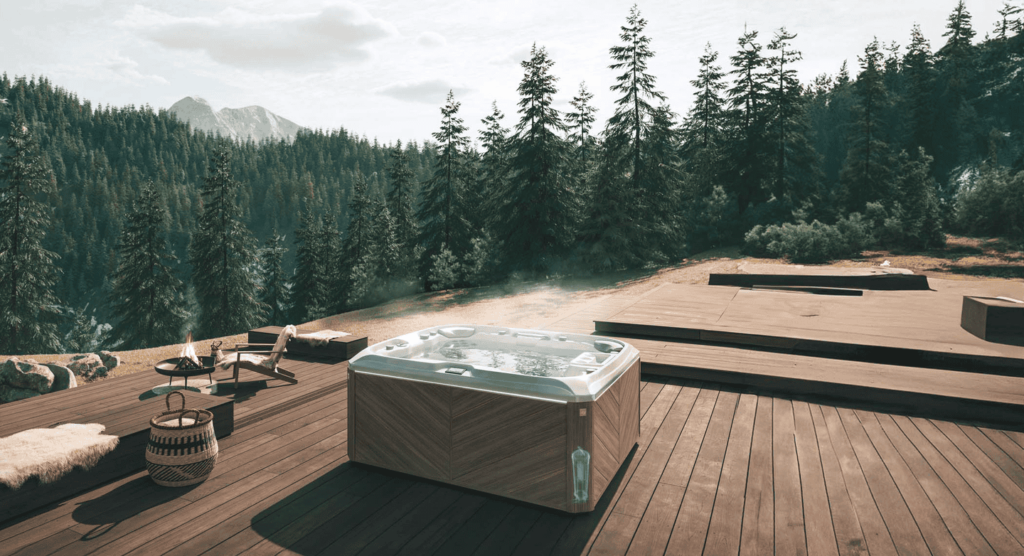
Where You Live Changes the Answer
This is worth spelling out because the honest answer really is different across our service area.
St. George, Hurricane, Washington and Ivins. Roughly nine to ten months of easy, excellent use. Winter is the highlight of your year. Spring and fall are close to perfect. July and August require the cooling routine above and a shift to night soaking, and some owners in these towns do simply take a couple of weeks off during the worst of the heat. That is a normal and reasonable choice, not a failure of the product.
Mesquite, Nevada. Slightly lower and slightly hotter than St. George. Everything above applies, with the summer window running a bit longer on both ends. Shade at the install location matters more here than almost anywhere else we serve.
Cedar City. The most balanced soaking year in our region. Real winters that make a hot tub feel essential, and summers where July highs average in the mid-90s rather than above 100. Cooling is easier, and elevation gives you cooler nights. Cedar City owners get closer to true twelve-month use than anyone else on this list.
Vernal. A genuinely cold-climate profile. Your considerations are freeze protection, snow load on the cover, and keeping the spa powered through winter storms. Summer is comfortable and needs little management.
If you are somewhere in between, elevation is the shortcut. Every 1,000 feet of elevation drops temperature roughly 3°F to 5°F, so a home in Dammeron Valley or Veyo behaves quite differently from one on the St. George valley floor.
Spring and Fall Are the Payoff
Lost in the summer-versus-winter argument is the fact that Southern Utah has two of the best hot tub seasons in the country, and they last a long time.
March through May and September through November give you daytime temperatures roughly between 70°F and 85°F, cool evenings, low humidity and very little rain. Those are conditions almost nobody else gets for six months of the year. The water sits at 100°F to 102°F with no management from you, the air is comfortable in a robe at 9 p.m., and the desert sky is doing what the desert sky does.
Worth noting for anyone weighing the purchase: this region gets around 255 sunny days a year. A spa that is comfortable to use on the overwhelming majority of them is a very different proposition from one in a climate with four grey months.
If your reason for buying is recovery after hiking Snow Canyon or Zion, or after a round of golf, the shoulder seasons are also when you will be doing the most of that. The spa and the activity peak together.
What the Desert Does to a Hot Tub
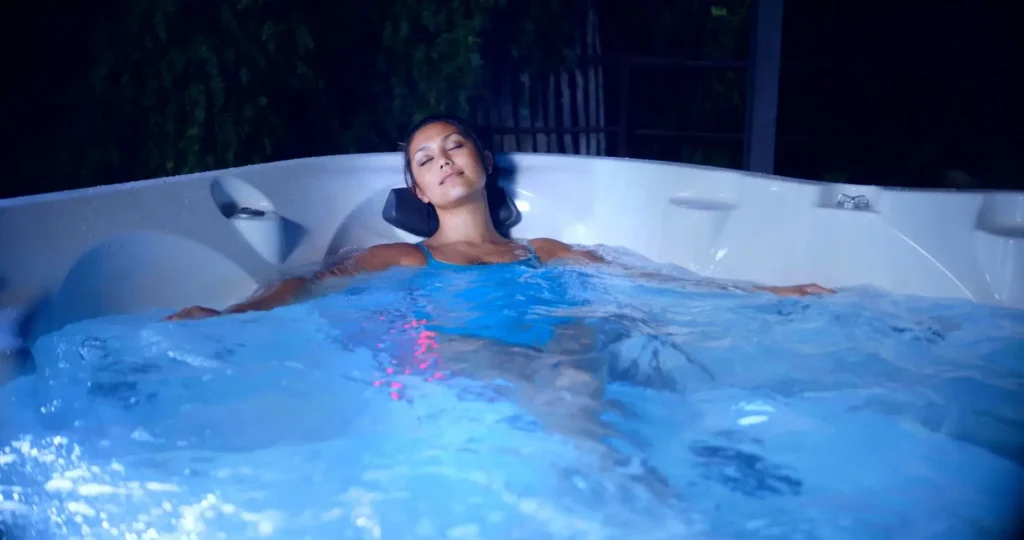
Year-round use in this climate puts specific demands on the equipment that a spa in Oregon never faces. None of these are dealbreakers. All of them are cheaper to plan for than to fix.
Sun, UV and Your Cover
Intense sun over 255 days a year is hard on materials, and your cover takes the worst of it. UV degrades vinyl, and desert heat cycles work the seams. Covers here have a shorter working life than the same cover in a milder climate, and that is simply the cost of the sunshine.
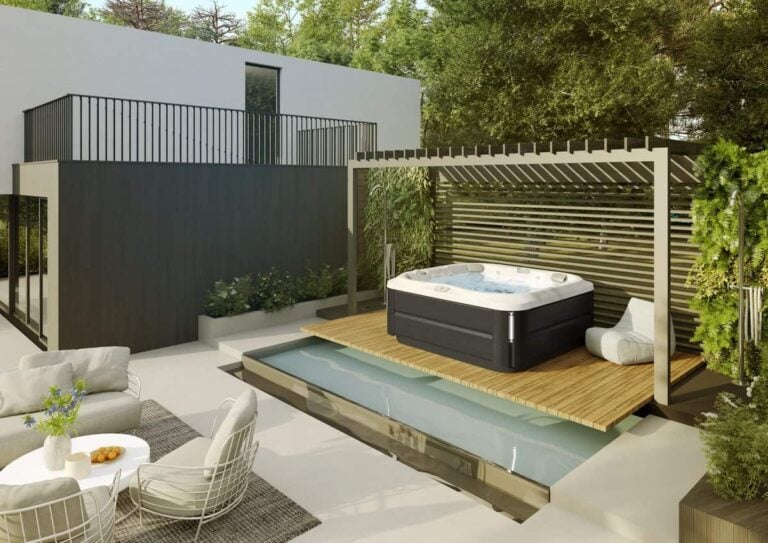
You can extend it considerably. Apply a UV protectant made for spa covers a few times a year. Position the spa where it gets afternoon shade if your yard allows it. Consider a pergola, an awning, or an automatic hard cover, which handles sun exposure better than standard vinyl and is dramatically easier to open on a hot evening, which in turn means you actually use the tub.
The cabinet matters too. Ask about UV-stable cabinet materials when you are choosing a model, because it is a specification you cannot change later.
Evaporation and Chasing the Water Line
Humidity in June here can sit under 20%. Combine that with heat and moving water and evaporation runs much faster than most new owners anticipate.
Expect to top up the water level more often in summer than any guide written for a humid climate suggests. Many owners here call about a suspected leak in July, and in most cases the spa is fine and the desert is simply doing what the desert does.
Two things help. Keep the cover fully sealed rather than resting loosely on top, and run a lower summer temperature. Hotter water evaporates faster, so the cooling routine above pays off twice.
Hard Water, and the Mistake Almost Everyone Makes
This is the most important maintenance point in this article and the one people most often get backwards.
Southern Utah has some of the hardest water in the United States. Washington County tap water commonly tests between 15 and 25+ grains per gallon, where the national average is closer to 7. Fill a spa straight from an unsoftened outdoor tap and you are starting with calcium hardness well above the target range for spa water, which is where scale on heaters, jets and the waterline comes from.
Here is the part that trips people up. Fill instead from a line running through a household water softener and you swing hard the other way. Softeners strip calcium out, and water that is too soft foams, feels odd, and can be aggressive toward metal components inside the spa.
Neither extreme is what you want. Test your actual fill water before you treat it, because whether you need a scale inhibitor or a hardness increaser depends entirely on which tap you filled from. A sequestrant on already-hard water and an increaser on softened water are both correct, and applying the wrong one makes things worse. Our team knows the local water and can tell you exactly what your fill source needs.
Setting It Up for Year-Round Use on Day One
Almost everything that determines whether a spa gets used twelve months a year is decided before delivery, not after.
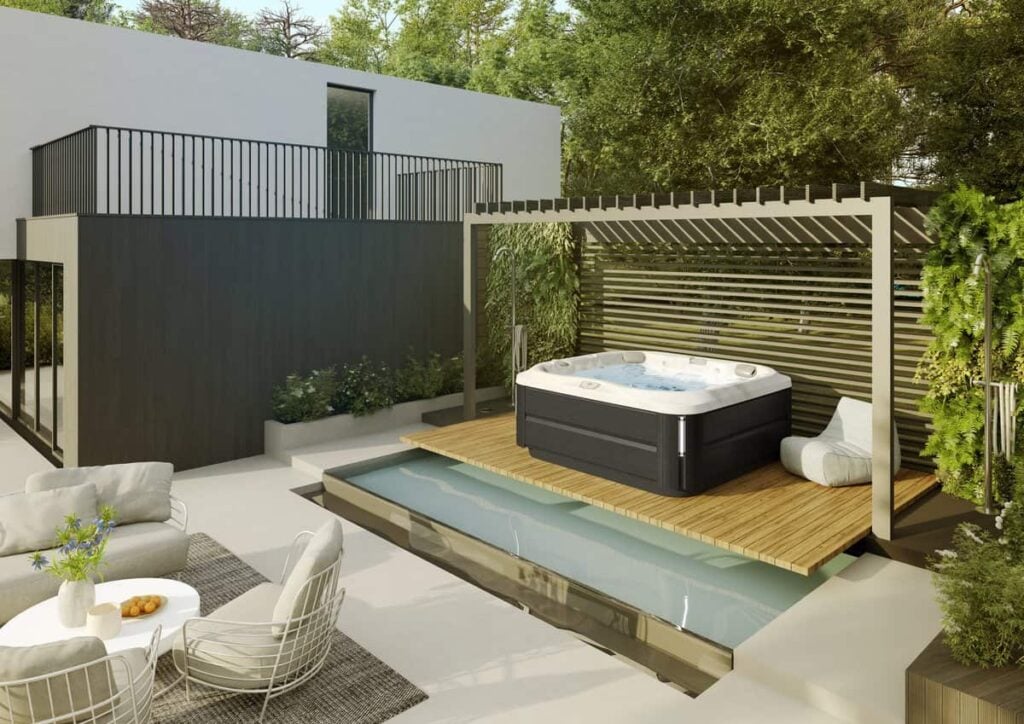
Shade is the highest-value decision you will make. A spa with afternoon shade from a pergola, a mature tree, an awning or the house itself is usable in months when a spa in open sun is not. It also protects the cover and cabinet. If you do nothing else from this article, get the placement right.
Think about the walk. In January you will be walking there in a robe at 9 p.m. In July you will be doing it barefoot on surfaces that have baked all day. Concrete and flagstone hold serious heat in this climate. A short path, shade over it, or a surface that does not scorch bare feet makes the difference between using it and thinking about using it.
Choose a cover that matches how you will actually behave. If lifting a heavy vinyl cover is a five-minute production, you will skip the spontaneous soak. An automatic cover removes that friction entirely, and in a climate where you want the cover open all night and closed all day, that convenience compounds.
Plan the electrical properly the first time. Get it inspected and installed correctly at the start rather than working around a compromise for ten years.
When a Hot Tub Is Not What You Actually Want
An honest article needs this section, so here it is.
If what you genuinely want is to get cold on a 108°F afternoon in July, a hot tub is not the right tool. We covered why: no chiller, no ability to go below ambient. Pushing a spa to do that job leads to disappointment.
What does that job is a cold plunge, which is refrigerated and holds genuinely cold water regardless of what the air is doing. Red Rock carries the Kodiak Cold Plunge, and for a lot of Southern Utah homeowners the ideal setup is both: the hot tub for the nine or ten months where it shines, and the plunge for the summer weeks where cold is what your body is asking for. Together they also give you contrast therapy year-round, alternating hot and cold, which is what many people were researching when they started looking at either one.
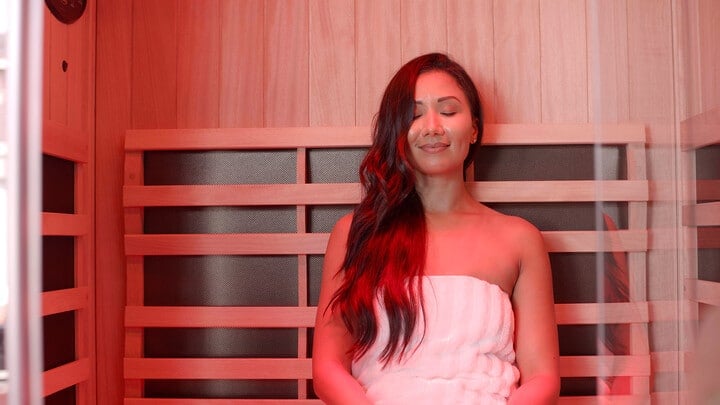
There is also a seasonal pairing worth knowing about. An infrared sauna does its best work in the months a hot tub is easiest, and gives you a heat option indoors and climate-controlled when the outdoor spa is in its summer routine.
You do not need all of it. But if your honest answer to “what do I want on a July afternoon” is cold, it is better to know that before you buy than after.
Frequently Asked Questions
Can you really use a hot tub in 100 degree weather?
Yes, with adjustments. Lower the set temperature into the 80°F to 90°F range, vent the cover overnight, keep it covered during the day, and soak in the early morning or after dark. What you cannot do is get the water genuinely cold, because a standard spa has no chiller and cannot cool below the surrounding air temperature.
What is the lowest temperature a hot tub can be set to?
Most models allow a minimum around 80°F. Going lower interferes with heater and circulation cycles and makes water chemistry harder to hold. In practice, 82°F to 88°F is where most Southern Utah owners land in July and August.
Should I drain my hot tub for the summer in St. George?
Generally no. A drained spa sitting in desert sun is harder on seals and components than a full one, and refilling is more work than maintaining. Running at a lower summer temperature with good water care is the better approach. If you plan to be away for an extended stretch, talk to our service team about the right way to handle it.
Do I need freeze protection in Southern Utah?
On the St. George valley floor, freezing is brief and modern spas handle it automatically as long as the unit stays powered and full. In Cedar City, Vernal and the higher-elevation communities, freeze protection matters considerably more, and the key rule is never to leave the spa unpowered during sustained sub-freezing weather.
Why does my hot tub lose so much water in the summer?
Almost always evaporation rather than a leak. Humidity here can drop below 20%, and hot water in dry air evaporates fast. Seal the cover properly and lower your summer temperature. If the level keeps dropping noticeably after that, have it looked at.
Does hard water damage a hot tub?
Untreated, it causes scale on heaters, jets and the waterline. Washington County tap water commonly runs 15 to 25+ grains per gallon, so treatment matters here more than in most of the country. Test your fill water first, because water from a household softener has the opposite problem and needs a different fix.
Ask Someone Who Soaks Here Too
The honest answer, all together: yes, year-round use works in Southern Utah, and for most of the year it works beautifully. Winter is the best season we have for it. Spring and fall are close behind. July and August ask something of you, and how much depends on whether you are on the valley floor or up at elevation.
None of that is a reason not to buy. It is a reason to buy with your eyes open, to put real thought into shade and placement, and to work with people who have soaked through a St. George August themselves and can tell you what actually happens rather than what a national brochure says.
Red Rock Spas has showrooms in Hurricane, St. George, Cedar City and Washington, Utah, plus Mesquite, Nevada, and we serve Vernal as well. Come talk to us about your yard, your shade situation and how you picture using it. We will tell you the truth about the July part.